
Posts By: Hayden Shumsky

Successful Students Series, Post #8: Maintain healthy routines and mind-states to stay happy and productive

 
Yesterday, we shared the 7th post in our series on successful students: how to break down projects and large goals into smaller, specific, and achievable tasks. Today, we focus on a more intangible element of success. When it comes to student success, well-being is king. If students do not feel healthy, energized, confident, and content, the basic tasks of life as a teenager or college student are difficult to manage. There is no doubt that teens and college students are frequently misguided in their choices and priorities. Parents are quick to point to habits like over or under-sleeping, over and under-eating, lack of exercise, too much television or internet time, and too much partying as the source of student troubles. These parents are not wrong in taking note of these unproductive habits, but actually the habits are the symptoms, not the actual disease.

Looking at the number of students that are bored, disengaged, and purposeless, one can easily see the epidemic of of depression, alienation, anxiety, and loneliness. The disease of disengagement and the childish resistance to routine and structure is destroying the lives of many in their teens and twenties and limiting the joy and productivity of many more.

Disengagement, boredom, and lack of purpose destroy health and well-being

Some of this unease comes automatically with the vulnerability of the years between childhood and adulthood. But outside of the normal range of ups and downs, the majority students in their teens and twenties should have little trouble maintaining consistent healthy, happy, and productive mind-states. As with time management, fruitful routines for health and happiness do not require a massive overhaul or outrageous efforts. Rather, well-being comes mostly from awareness and a structure to support the habits that lead to positive feeling.

Successful students are honest with themselves and keep their eyes on what is most important. Nothing supports health and achievement like a good night’s sleep on a consistent basis. Changing habits so as to get a minimum of 7 hours sleep per night will transform your mood, energy, and attention. Further, settling on a consistent bedtime and wake-up time gives the body and mind a reliable and familiar pattern that leads to easier and deeper sleep. If you need more, then a late afternoon power nap of 20-45 minutes should do the trick.

Sleep, consistent moderate exercise, and healthy eating habits lead to positive well-being

Because no two students are alike, it is difficult to speak of rules of thumb about other habits and routines that lead to well-being, but here are some of the most crucial elements that my clients have focused upon. First, exercise. Students need not workout 7 days per week for 2 hours to stay healthy and energized. Two or three 30 minute college-student-exercisesessions of exercise are a good starting point for most. One need not do more than go for a walk in the neighborhood or at a local park to stay in a decent zone of health and energy. If you are looking for more fitness and intensity, then definitely work that habit into your weekly routine. But by no means is that a required starting point.

Second, are eating habits. Most teens and college students eat too much unhealthy food, though there are also those that do not eat enough. Three solid, balanced meals per day plus a snack is a good starting point for any adolescent or young adult. If you require more calories to maintain health and energy, then feel free to add on. Most will feel more energized by eating more selectively and less often.

Third, are stress relief outlets. Most teenagers and college students try to relieve stress with television and internet usage. The anxiety and resistance to schoolwork and other tasks that motivates such behaviors is worth paying closer attention to. Nearly every student in America would benefit from an extra half hour per day of quiet time to let down.

Exercise is a great stress reliever, but so is a session of meditation, a quiet session of food prep and cooking, time in college-meditationconcentrative practice of a musical instrument, a visit to nature, or time spent on reading for pleasure. Prayer works well as a stress reliever too. What are the outlets for stress relief in your life or the life of your teen or college student? If the answer is time with friends, partying, or playing video-games, then you are probably confusing stress relief with distraction and social engagement.

Find time for favorite activities and pursuits and transform the week

Social engagement and stimulation is critical as well. You must have friends and engaging pursuits in your life or you will not be happy and productive. It is quite difficult to complete the less interesting obligations in your life if you do not have plenty of time for your interests and healthy relationships. Most students actually underestimate how important these life elements are. In fact, if one were to survey the time spent with friends outside of the typical cheap laughs and bull-crap sessions, one would find that most high school and college students do not spend much time each week on the deeper human interaction that is so crucial for life satisfaction.

Further, most students over-prioritize less satisfying pursuits like television, video-games, shopping, and school clubs relative to truly fulfilling interests. The activities that engage the mind and spirit are must-haves for teens and college students. There is significant effort each week to be spent in completion of tasks that are generated by parents, teachers, and bosses. As humans, we need time to work on the pursuits that are most important to us, even if the time is limited. This is the freedom and engagement that most students are looking for when chasing the distractions of television, video-games, and other cheap thrills.

An hour or two spent building a new skill, learning about a favorite subject outside of school, or engaged in spiritual prayer-servicepursuits like service and religious activities, or on the arts can change the course of a week. When done consistently, these pursuits dramatically enrich our lives and make the less interesting work more palatable.

Successful students know themselves well and build in the time for rest, healthy meals, stress relief, social engagement, and fulfilling pursuits. By focusing consistent time spent in pursuit of well-being, these students find it easy to shift gears to obligations like schoolwork, jobs, and chores. There is a lesson here: The better you feel, the easier it is to be active and productive. The worse you feel, the harder it is to complete even the bare minimum. Well-being leads to success and successful students put the appropriate effort in maintaining consistent health and happiness.


Successful Students Series, Post #7: Break down large goals and projects into small and specific tasks

In yesterday’s post, we reviewed the process of clarifying important results and how to hold one’s accountable to the task’s completion. Today, we will cover how to break down large goals and projects into small, achievable tasks.

Many high school and college students procrastinate because they are both unclear and overwhelmed by the tasks, assignments, and goals that they would like to complete. Many students that I work with complain that their anxiety rises significantly with projects like research papers, presentations, and portfolios. Deadlines often sneak up on students and these assignments are usually completed in a last-minute rush of fear, over-work, and lack of sleep. Most result in grades that are disappointing and well below the student’s capabilities.

overwhelmed-high-school-studentFor many teens and college students, the idea of setting a larger life or school goal like getting a 3.5 GPA for the semester or becoming fluent with Photoshop seems too overwhelming to actually consider. Yet, if broken down into weekly specific tasks or habits, these goals are very realistic in most cases. To gain fluency with Photoshop might require 100 hours of self-directed study and practice. In the course of a 52 week year, this is but 2 hours of work per week. If, additionally, one reached out for instruction and assistance with the task, the needed work would likely be reduced further. Most teenager and college students in America can find an extra 2 hours per week to reach a desired goal.

Usually, the work necessary for completing projects or life goals could be easily done with a consistent and routine amount of effort. But, when left ignored or unspecified, these tasks become the bogeymen that scare the wits out of students.

There is a very simple cure for procrastination and overwhelm

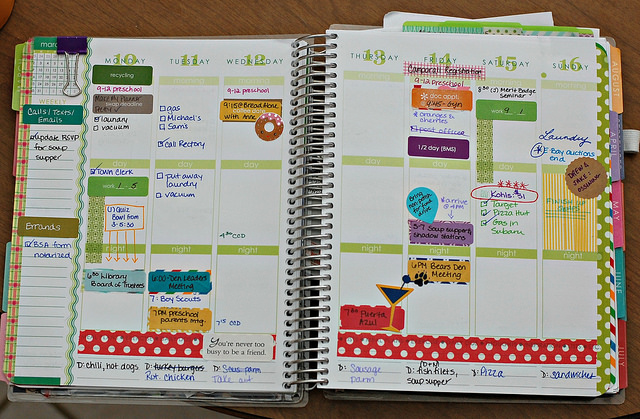
There is a very simple cure for this kind of procrastination and overwhelm. Nearly every productivity or general self-help book written in the last 25 years has advised readers to separate larger projects into small, specific actions to be taken, in order that they be appropriately planned for and completed. I recommend one further step: acquire a whiteboard that sits in plain view of your desk or bed so that you can see upcoming deadlines well in advance.

On the first day of school, students should gather the first round of major test and project deadlines and write them out on their whiteboard. Work backwards from the deadline and estimate the realistic needed start date for the project or test preparation effort and enter that date in your smartphone’s calendar app with a reminder to notify you on the start date.

How do I make a realistic plan for my research paper?

On the day that the notification flashes across your phone, spend a nice chunk of time on planning. Ask yourself a question like: “What is the very first step in completing this research paper?” Very often the primary step in writing a research paper is to read the needed/assigned texts in order to have a solid understanding of the issues and ideas in play. Ask: “How long will it take me to read and take succinct, useful notes on the X number of pages so that I can understand the concepts to be written about?” and “When can I complete this reading and note-taking?”

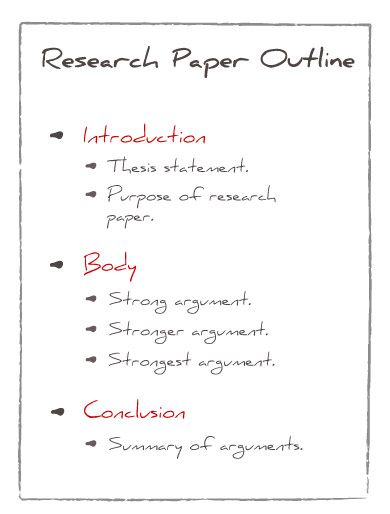
Some teachers and students use outlining as a step in the writing process. Some classes will require that a student turn in a topic, outline, rough draft, final draft, and completed paper as part of the assignment. If required, then an outline must be completed. “How much time will the outlining process take me?”research-paper-outline

Research papers are rarely of high caliber when completed in one extended effort. Many students will try to think through and complete the writing of a rough or final draft in a single, multi-hour session. This is a mistake. The mind can maintain high levels of focus for no more than an hour at a time without rest. Cognitive research points to 45 minutes as the average max length of attention before cognition declines. All study or writing sessions should be broken up in multiple units of 45 minutes plus a 5 to 15 minute break in between sessions. One should not complete more than 2 sessions back to back without a longer break unless in an emergency situation.

Instead of shooting to complete a rough draft in one extended sitting, ask yourself, “How many minutes of actual work will the rough draft require?” Let us assume for example, that a classic 5 paragraph essay for high school can be drafted in approximately 120 minutes of solid effort. Breaking such an effort into 45 minute sessions with a 15 minute break afterwards means that the 120 minutes of writing will be completed in 2 hours and 30 minutes. (2X 45 minute sessions of writing, 2X 15 minute breaks, 1X 30 minute session of writing= 90+30+30= 150 minutes).

How much time will each step actually take? When does it need to be completed?

In the case of our assigned high school research paper, a successful student estimates the total writing time on the rough draft to be 180 minutes. He then breaks that task into 45 minute sessions with a 15 minute break afterwards and decides to complete the task over two evenings. Because the due date is still 3 weeks from today, he enters the writing sessions on his calendar for a later date which is several days prior to the rough draft due date.

In planning the work of completing the final draft, a successful student knows that the best final drafts are completed well before the due date, so that they can be re-read and edited prior to the deadline. This successful high school student knows that his History teacher will take several days to read and comment on the rough draft before returning them. So he plans 3 additional 45 minute writing sessions for editing and revision over the course of the days following the return of the rough draft.

Upon submission of the final draft, there should be little work remaining in the days leading up to submission of the completed paper. His teacher will make some final suggestions and return the final draft 4 days prior to the final deadline for completed papers. He believes that 45 minutes of work are required to complete the final edits before completion, so he adds those to his calendar for a date two days before the submission deadline.

Life is easier and grades are better when plans are made and followed

Because this successful student knows exactly which actions to take, in which order, and on which dates, the process Hand with Red Pen Grading Papers with Excellentof writing the research paper will progress smoothly. Instead of feeling overwhelm, anxiety, and panic, our successful student does not feel worried and does not procrastinate or avoid the tasks to be done. He follows the plan he has laid out, with some small adjustment along the way, and finds that he has plenty of time to complete all steps in the process. His paper is polished and well-written and he rightfully earns the 95 grade that his teacher awards him.

If you or your child is not efficient with time-management, planning, and reviewing, then you need our help.  We can teach any student in America to plan and review each week, clarify long term goals and desires, and help him or her hold their feet to the fire of accountability.  Learning to break down bigger projects and goals into specific actions is the first component of our support programs for teens and college students. Take a look at our Teen Independence Program for high school students and the College Life-Management Program for more information about our time-management and mental performance skill coaching.

Successful Students Series, Post #6: Clarifying Desired Results and Accountability to Those Goals

Planning each week for schoolwork and fun, which we covered in two posts last week (one for high schoolers, one for college students), is the first step in having a life that is satisfying and full of academic successes. Learning about how long tasks actually take, what one can realistically complete in a week’s time, and how to fill in the key weekly allotments of work, self-care, quiet time, and fun is a challenging but useful step. Many students will find that their lives become happier and more manageable just by adding a little bit of time-structure to their week. Yet, simply structuring each week to spend time on the key areas of life will not necessarily lead to the desired outcomes that students hold in their heads and hearts.

How do you clarify longer-term goals?

Successful students know that the game of life is played on a daily and weekly basis, but is scored on blocks of 6 weeks, semesters, school years, calendar years, and periods of one’s life. Consistent habits on a daily basis will lead to good outcomes in general, but much of our success and happiness is derived from reaching longer-term goals. Here lies a breaking point that separates the successful students from everyone else. Successful students plan and review each week and additionally clarify their priorities and long-term goals. The only way to reach your long-term goals is to get them out of your head and heart, write them down, make a plan, and execute the specific shorter-term steps that lead to the final outcome. Successful students clarify their goals, integrate the weekly steps needed to accomplish the goals, and hold themselves accountable to the outcome.report-card

Instead of simply completing the required tasks and obligations of their lives, successful students are always thinking many steps ahead. They ask themselves: “What do I want this 6 weeks, this semester, this school year?” When a successful student answers these questions, he or she doesn’t leave the goals in the ether of head and heart space, but instead writes them down and keeps track of them. Goals that are written down are much more likely to be achieved than those that exist only in one’s internal dialogue. By writing down goals, you can then figure out the specific steps needed to reach the destination.

Simple, but powerful questions lead to important insights

Let’s take a simple example. Michelle is a 9th grade student at St. Agnes School. She is a solid student, but wants to reach a new level of achievement by acquiring all A’s in core academic classes during the fall semester. If Michelle were to write the goal down on the first day of the new school year, she could then get to work on figuring out exactly how to make the goal become reality. First, Michelle would ask herself, what do I need to do each 6 week grading period in order to score a 90 or above? She could then ask, on average, how many hours per week do I need to spend on each class in order to master the material? Which classes look to be most challenging? For which class(es) might I need a tutor or extra assistance from my teacher? What habits and routines have helped me to achieve strong grades in previous school years? Is there any subject or habit that has been a trouble spot in the past? Is there a habit that I need to change in order to achieve my goal of acquiring straight A’s in core academic classes?

These kinds of simple, but powerful questions help Michelle get the clarity she needs in terms of figuring out how to reach her desired goal. Once clarified, Michelle can then integrate the answers into her weekly planning. For example, Michelle knows that she struggled to reach a grade of 85 in her Algebra I class in 8th grade, so she will algebra-tutoringlikely have similar difficulties in 9th grade’s Algebra II course. Anticipating such difficulties, Michelle is honest with herself and her family and then goes to Mom in order to setup a weekly hour-long tutoring session for Algebra II.

Michelle is gifted in verbal abilities and has always achieved high marks in English courses. While 9th grade will surely bring more challenging works and a faster pace, Michelle knows that completing all reading assignments and taking good notes will very likely lead to a grade of 90 or above in English.

World History is an unknown for Michelle, so she makes sure to look closely at the weekly syllabus and required tests and papers to make an educated guess as to how much time to spend on the course each week. Seeing that there are 3 five-page papers during the course of the fall semester, Michelle writes the deadlines for each on the whiteboard that hangs on her bedroom wall. She knows that she must work backwards from the paper due dates in order to craft a plan to create papers that receive A grades. When she is three weeks from each paper’s due date, she will hash out a step by step plan of action to complete the paper.

Biology is Michelle’s least favorite class. It’s a course that is filled with tests that cover technical terms and definitions and requires a lab report every other week. Michelle knows that she will have trouble with a commitment to spend the time needed on Biology to acquire an A for the semester. She brainstorms for solutions to this difficulty. She asks herself, “what can I do to make sure that I spend the time necessary to master Biology?” A lightbulb flicks on and Michelle has an “aha moment.”

What do I need to do in order to easily reach my goal?

Michelle’s best friend, Anna, wants to be a doctor and Anna is an ace science student. Michelle thinks, “if I spend 2 hours per week studying with Anna, I am sure to complete all of my Biology lab assignments and get all the help I need in understanding the technical vocabulary. So, each week, I will plan a 2 hour study session with Anna.” This a simple and achievable result, but one that only happens if Michelle holds herself to the goal of getting an A in Biology and makes plans that are honest and realistic.teenage-girls-study-partners

Michelle is very clear about her motivation levels and she knows that if she doesn’t have something to look forward to each week, she loses her drive. In order to get A grades for the fall semester in English, World History, Algebra II, and Biology, she’s going to need a good outlet for fun each week that is not just the normal hanging out with friends. Michelle has always wanted to become a fashion designer and she is not a great sketch artist, even though she loves drawing. Michelle is certain that a weekly drawing class at Glassel School of Art would be something that will bring her a big dose of joy, so she asks Mom to help her register and arrange transportation.

The cycle of productivity must have a place for review, acknowledgment, and rewards

A final step in reaching her goal of acquiring A grades in all core subject areas is planning for a celebration upon achieving the desired outcome. Michelle pulls her Dad aside to talk about her plans. Dad is of course thrilled that Michelle wants to be a straight A student and he agrees that if Michelle reaches such a lofty goal that she deserves a reward. So, Dad agrees to Michelle’s request for a weekend getaway to New York City during the Winter Holidays as a carrot to spur on Michelle’s motivation during the semester. But, Michelle and Dad will only make the trip if Michelle gets the A grades she set out to achieve.

Michelle is thorough, but not obsessive in her planning. She thinks long-term about important goals and lays forth the steps required to achieve such outcomes. While the whole process of self-inquiry, planning, and arranging takes some time, Michelle understands that a few hours of preparation are all that is needed to achieve spectacular results. She’s honest with herself and her family and obtains the needed assistance to arrive at her destination. Most important, Michelle writes down her goal of straight A grades and also keeps track of the steps needed to reach such a goal. Each week, Michelle will incorporate the needed steps in her calendar. She is going to hold herself to the goal and the plan so that she can reap the rewards of achieving strong grades and finally visiting the fashion capital of New York City.

fashion-week-new-york-800x419c

Planning and accountability can be easily learned

Planning and holding one’s self to desired goals in school and life is not overly difficult.  There is some effort and organization required, but such a process is not overly time-consuming.  Work spent in planning and holding yourself accountable will be offset by the efficiency gained when doing so.  There is hardly a student on the planet Earth who cannot learn to: clarify life and school goals, plan and review, and hold him or herself accountable to reaching the desired results.  Any high school or college student can make their life more satisfying and fun by thinking in longer chunks of time and writing down the goals he or she wishes to achieve.  This is not rocket science, but does require different habits and a restructuring of efforts and energy.

If you or your child is not efficient with time-management, planning, and reviewing, then you need our help.  We can teach any student in America to plan and review each week, clarify long term goals and desires, and help him or her hold their feet to the fire of accountability.  Take a look at our Teen Independence Program for high school students and the College Life-Management Program for more information about our time-management and mental performance skill coaching.

Successful Students Series, Post #5B: Planning Each Week to Efficiently Complete All Schoolwork and Have Plenty of Time for Play (For College Students)


For college students, failure to plan and structure time is frequently the cause of academic struggles. Counterintuitively, college students struggle with time management not because of too little free time, but instead because they have too much free time. In the case of college students, the religious proverb, “Idle hands are the devil’s playthings,” could not be more on the mark.

College students spend less than 15 hours per week in class, with an average of 10 to 15 hours of out of class work to be completed each week (STEM majors work more, as many as 30 or more hours per week). Yet, many college students struggle to successfully fulfill their academic obligations. College students are notorious for sleeping too much, partying too much, and feeling bored and under-engaged. A life that is built around sleeping, partying, and studying/avoiding studying is a dull existence and frequently leads to the worst kinds of unsatisfying and unproductive habits.

Why do college students struggle?

College students struggle with academics, self-care, engagement, and life balance because they do not build any time structure into their days, other than attending scheduled classes (some students can’t even manage that minimal lazy-college-kideffort). Parkinson’s Law, that work expands to the amount of time available for its completion, works as a strong negative force in the lives of college students. Most college students allow themselves endless time for the completion of schoolwork and do not break up their day into defined separate chunks of time.

Instead, college students treat their days as being composed of two components, in-class time and everything else. Schoolwork that could easily be completed in 2 hours or less is allowed to expand so as to take up 4 or 6 hours or more because of aversion, distraction, and failure to plan and delineate the hours of the day/night. In such a case, efficient use of time is nearly impossible.Vyvanse and Redbull

New college students are usually blind to the hidden supports and structure that supported their success in high school. The long school day and after school activities are remembered as obligations rather than catalysts to the student’s performance and well-being. On the first day of college, all of the invisible structure that supported a student in high school falls away. If a student does not immediately replace that hidden structure with appropriate allotments for engaging experiences, learning (other than classwork), and quiet relaxation, then he or she will likely have difficulty in personal and academic spheres.

College students prize freedom and resist organization

College students resist commitment and organization. The freedom that college students treasure is the source of their difficulties. The high school day may be long and tedious and 9 to 5 jobs may not nourish workers’ deepest urges, but they provide a stable and healthy structure for productivity. College life provides no such stable and delineated markings of time throughout the day and week. The days and nights of typical college students are endless gray blobs with no conscious separation of activities. Most college students do not separate the day into periods of study time, play time, social time, and relaxation/re-energizing time. Instead, they live an ad hoc existence and respond to stimuli or desires.

To understand the folly of a typical college student’s mindset, see the quotes below:

“I have a psych test tomorrow, guess I should study now.”
“Sure, Melissa, I’ll go to the coffee house with you. I can review my econ notes later.”
“I’ve been lounging all day, but I’m still so tired”
“Next thing I knew, it was 3AM. There was no way I could make it to my 8:30 biology lab.”
“I started reading my history chapter right after my English class ended at 3, but it took me until 8pm to finish it because I kept getting distracted by my phone.”

Simply by structuring their days and nights into realistic and well-separated periods and specific tasks, most college students could experience an instant jump in satisfaction and happiness. By planning the week ahead and allotting specific time to specific tasks and activities, a college student’s effectiveness and productivity will substantially increase.

A minimal amount of structure and planning can dramatically improve college students’ lives and grades

A minimum of structure, responding appropriately to a student’s schedule, needs, energy flow, and priorities can transform a college kid’s life. Instead of endlessly wasting time avoiding work and vegetating, a successful student is conscious and realistic about the time necessary to complete specific tasks. He or she can then plan the day as needed.

Martin is a great example of a busy, happy, and successful college student. He works 10-15 hours per week in the evenings at the local children’s hospital where he shadows the doctors in ophthalmology. Martin is a pre-med student and he needs 15-20 hours of time outside of class each week to complete his work as well as read and take notes in preparation for the upcoming week. He is honest with himself about his sleeping and exercising needs, which are in the normal-above average range compared to others, so he takes care of those with consistent habits and routines.

Take a look at Martin’s weekly plan:

Monday
8:30am Wakeup, Shower
9:00am Breakfast
9:30-10:30am Biology 310
10:30-12pm 2 study sessions of 40 minutes with a 5 minute break between
12-1pm Lunch and coffee w/friends
1-2pm US Government 145
2-3:30pm Nap
3:30-3:45pm Snack
3:45-4:30pm Study session of 45 minutes
4:30-6pm Hanging out in dorm w/friends
6-7pm Dinner
7-8pm Workout, Shower
8-8:45pm Study session of 45 minutes
9-11pm Watch Houston Rockets w/friends
11-12am Wind down and listen to music
12am Bedtime

Tuesday
9am Wakeup, Shower
9:30 Breakfast
10-10:45am Study session of 45 minutes
11-12:30pm Chemistry 366
12:30-1:30pm Lunch and hangout in dorm
1:45-2:15 Human Biology 334
2:30-3:30 Workout, Shower
3:30-4:30 Nap
4:45-5:45 Human Biology 334 Lab
6-7pm Dinner
7-7:45pm Study session of 45 minutes
8-10pm DJ slot at college radio stationcollege-radio-dj
10-11:30pm Hang out at fraternity house
11:30-12am Wind down, read blogs on phone
12-12:30am Send texts to friend at school back home
12:30am Bedtime

Wednesday
8:30am Wakeup, Shower
9:00am Breakfast
9:30-10:30am Biology 310
10:30-12pm 2 study sessions of 40 minutes with a 5 minute break between
12-1pm Lunch and coffee w/friends
1-2pm US Government 145
2-3:30pm Nap
3:30-3:45pm Snack
3:45-4:30pm Study session of 45 minutes
4:30-6pm Outdoors Club meeting
6-7pm Dinner
7-8pm Netflix
8-8:45pm Study session of 45 minutes
9-11pm Netflix
11-11:45am Study session of 45 minutes
12am Bedtime

Thursday
9am Wakeup, Shower
9:30 Breakfast
10-10:45am Study session of 45 minutes
11-12:30pm Chemistry 366
12:30-1:30pm Lunch and hangout in dorm
1:45-2:15 Human Biology 334
2:30-3:30 Workout, Shower
3:30-4:30 Nap
4:45-5:45 Human Biology 334 Lab
6-7pm Dinner
7-7:45pm Study session of 45 minutes
8-10pm Student Union for standup comedy night
10-10:45pm Review notes for Friday’s Biology quiz
10:45-12:45am Shadowing shift at Children’s Hospitalchildrens-hospital-college-student
1am Bedtime

Friday
8:30am Wakeup, Shower
9:00am Breakfast
9:30-10:30am Biology 310
10:30-12pm 2 study sessions of 40 minutes with a 5 minute break between
12-1pm Lunch and coffee w/friends
1-2pm US Government 145
2-3:30pm Nap
3:30-3:45pm Snack
3:45-4:30pm Study session of 45 minutes
4:30-5:15pm Nap
5:15-5:45pm Dinner
6-9pm Shadowing shift at Children’s Hospital
9:15-9:30pm Shower
9:30-1am Party at fraternity house
1:15am Order pizza
1:45-2am Eat pizza w/roommate
2:15am Bedtime

Saturday
10am Wakeup, Shower
10:30-12pm Breakfast, coffee w/friends
12:30-1pm Watch college football in dorm lounge
1pm Snack
1:15-5:15 Shadowing shift at Children’s Hospital
5:30-6:15 Study session of 45 minutes
6:30-7pm Dinner
7-7:45 Study session of 45 minutes
7:45-9pm Nap
9:15-9:30 Go for a walk around the neighborhood
10-12am Go to movies at Student Union
12:15-12:30 Facebook
12:30-12:45 Wind down with music
12:45 Bedtime

Sunday
10am Wakeup, Shower
10:15-11am Breakfast
11:15-4pm Shadowing shift at Children’s Hospital
4:15-5pm Nap
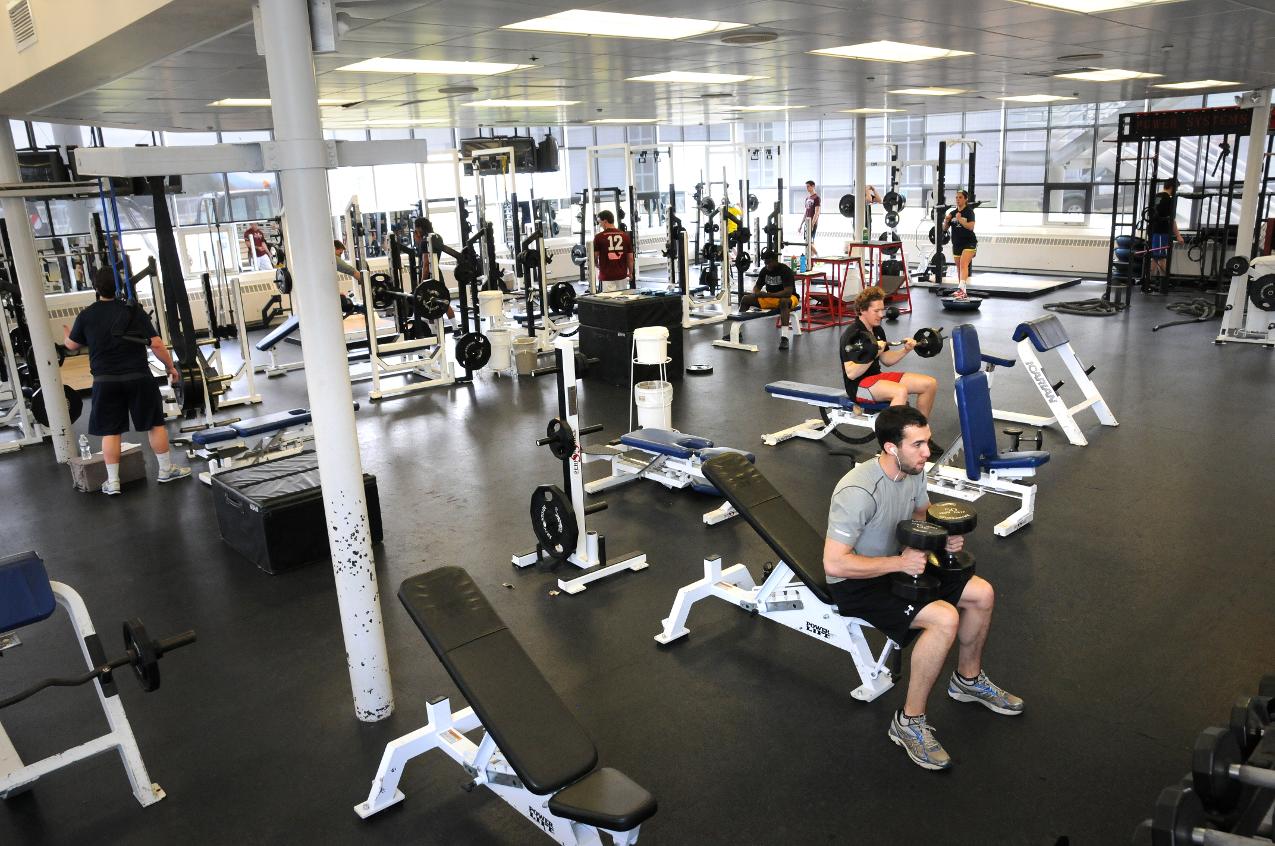
5:15-6:15pm Workoutcollege-fitness-center
6:15-6:45pm Shower, relax
6:45-7:15 Dinner
7:30-8:15 Study session of 45 minutes
8:15-8:30 Facebook
8:30-9:15 Study session of 45 minutes
9:15-12am Watch Sunday Night Football w/friends
12:15 Bedtime

Martin spent 15 and 1/4 hours on school work in the week outlined above and still had plenty of time for good rest, 4 workouts, lots of social and fun time, and an nearly 15 hours at an internship/shadowing post at the Children’s Hospital. Surely, a busy week, but in no ways overwhelming in the work output. Martin is the kind of student who will be a great candidate for medical school as his 3.75 GPA and strong resume will catch any admission staff’s eye.

This kind of interesting, fun, and productive life is available to any college student who puts some time structure into his or her life. Instead of endless hours of aversion and wasted time, Martin spent his time on his passions and outlets for fun: college radio DJ work, Outdoors Club, his fraternity, and learning his trade as a future opthamologist.

If you or your child is struggling to achieve solid performance and satisfying experiences at college, then you need our College Life Management Program.  We can teach and support any college student as they discard old habits and integrate new, healthy, productive and satisfying routines.   We build a custom personal organization and time-management tool for every college student that we work with.   On a weekly basis we guide the student as they plan, review, and hold themselves accountable to goals and results.

Successful Students Series, Post #5A: Planning Each Week to Efficiently Complete All Schoolwork and Have Plenty of Time for Play (For High School Students)

In previous posts in our series on the skills and habits of successful students, we reviewed the academic skills needed to acquire consistent strong grades without over-working.  Today, we shift from academic skills to mental performance skills and the key executive function skill of planning and reviewing. This post is intended for high school students, a separate post on planning for college students will follow.

Why do teens procrastinate?

The life of a student during the teen years is filled with many external and school-related obligations. Much of the difficulty that teens face flows from the endless stream of readings, tests, papers, and assignments. Schoolwork is like an ever-ringing bell, always playing in the back of one’s mind. Procrastinators do not escape the noise and anxiety of incomplete assignments and tasks, they simply turn down the volume of the ringing bell and raise the volume of distractions like television, videogames, messaging, and social media. Even while playing their favorite videogame or texting with a friend, the procrastinating student ruminates about the work that is being avoided or delayed. There is no pleasure gained in the aversive actions and tasks; instead anxiety casts a dark shadow over the activities that could be fun and relaxing.

Much of this aversive behavior is wasted time that could be spent having satisfying experiences in social or extra-curricular pursuits. At most high schools, preparation, reading, studying for tests, and completion of all assignments can be done in 12 hours per week or less.In the end, time spent on aversion, procrastination, and cheap distractions leads to a doubling or tripling the time spent on “work” and a dramatic reduction in the amount of time spent on truly enjoyable tasks and experiences.

With some minor adjustments, any teen can get good grades and have lots of fun

Most students would find that they have plenty of time for satisfying fun, relaxation, and engaging interests if they would exercise a minimum amount of control and structure in how they use their time outside of classes. Very few high school and college students plan their week in advance. Only a handful of students track deadlines and upcoming test dates on a regularly viewed calendar or whiteboard. Most students have little idea of the actual amount of time needed to complete a particular academic task. How many students ask each week these simple, but critical questions: “What will be fun this week? What are the most important tasks to be completed? What will I do for relaxation?”

Successful students do not behave like the typical American adolescent in their teens and twenties. Successful students understand that the goal in life is to have plenty of fun and to master schoolwork in the least number of hours and most efficient manner possible. In fact, one would find that successful students have more satisfaction and fun in their lives than the average student because they do not waste countless hours avoiding their work. Instead, successful students make and stick to a plan that includes lots of time for fun and relaxation and an allotment of adequate time to efficiently complete all of their obligations and assignments.

Successful student profile #1: Johnny, football player

To put more detail to the above example let’s look at two high school students as examples. Johnny plays football for his school and does not return home until 6pm each school night. He takes 3 AP courses including US History, English, and Pre-Calculus resulting in an average of 10 to 12 hours of reading, homework, and test preparation each week. From Monday to Thursday evenings, he allots 2 sessions of 45 minutes and one session of 30 minutes to schoolwork.high-school-football-player

Johnny’s typical schedule upon returning from practice is thus: from 6 to 6:15pm, he has a snack to refill his store of energy after practice. From 6:15 to 7pm, he works on the class assignments due the next day. From 7 to 8pm, he eats dinner with family and watches a bit of television. From 8 to 8:45pm, Johnny completes another focused session of reading, homework, or test preparation. After a 15 minute break, Johnny works from 9 to 9:30pm. From 9:30 to 10pm, Johnny checks his Facebook account, sends some texts to friends and girlfriend, and watches the highlights on ESPN. By 10pm, Johnny is ready for bed and falls right to sleep after a long and taxing day. Johnny sleeps soundly because he knows that 2 hours of work each school night and a couple hours on the weekend is all that is needed to complete his assignments and appropriately prepare for upcoming classes.

Fridays after school between August and Christmas are for football, so Johnny Dos not allot any time for Friday school work. After the game, Johnny showers and heads home. He typically meets up with his girlfriend on Friday nights after the game, but sometimes goes home and relaxes by watching TV and texting teammates about the game before heading off to bed. Johnny realizes that his commitment to football leaves him less time for his social life and other interests during the season, so he makes sure to have some fun and engaging outlets on the weekend.

Every Saturday morning, Johnny gets up by 9am and takes a guitar lesson at 10am. Lunch each Saturday is spent with his girlfriend or a buddy to catch up on the latest happenings. Saturday after lunch, Johnny takes a nap for an hour or two, and gets in a study session from 4 to 4:45pm. From 4:45 to 5pm, Johnny checks the college football scores and snacks. At 5pm Johnny spends an additional 45 minutes on schoolwork. Johnny spends 6-7pm working on his guitar lesson for the week. Saturday nights are for watching college football and pizza with teammates and friends or a dinner date with his girlfriend. Johnny is usually in bed by 1am and rises on Sunday by 10am.houston-texans

After Sunday breakfast and a shower, Johnny puts in a 45 minute study session from 11 to 11:45am, then eats lunch and watches the Houston Texans game until 3:30pm or so. Some Sunday afternoons, Johnny will go to church with his family, but more often he will meet up with friends for some intensive Madden football games on the PS4. He’s usually back home by 5pm for an hour nap and then eats a snack from 6-6:15pm. He is energized and focused for a 45 minute study session that lasts from 6:15-7pm. At 7, Johnny and his family gather for a routine Sunday dinner. At 8pm, Johnny takes a deep breath and hits the books for another session of school work. By 8:30pm, Johnny is done with his work and has the rest of the evening to do as he pleases. He’ll spend 15 or 20 minutes planning the week ahead and reviewing the previous week’s plan. Usually, he watches the second half of the Sunday night football game, but other times, he’ll call his girlfriend or play some video games to relax.

Johnny does not have the Sunday night blues, because he closes the week with the confidence that he’s well-prepared for the days ahead. He spent 11.5 hours on school work in the previous week and doesn’t feel overburdened by working too much or feeling like he’s deprived of a good social life. Johnny is a happy, healthy, and active young man who keeps an A minus GPA in a challenging curriculum.

Successful student profile #2: Jane, top 10% of her class

Jane is a high school classmate of Johnny’s. She is also in the AP program and typically has 12 to 15 hours of schoolwork each week. Jane is home from school by 4pm each day and spends the first half hour upon returning home sending some texts to friends and eating a snack. At 4:30pm, she goes to her room for a 45 minute session of schoolwork. At 5:15pm on Mondays and Wednesdays, she gathers her Tae Kwon Do gear and heads to the martial arts studio. From 5:30 to 6:30pm on Mondays and Wednesdays, she’s in Tae Kwon Do classes. On Tuesdays and taekwondo-teen-girl-revisedThursdays at 5:30pm, she goes to Starbucks for a meeting with her fellow microfinance club members. The group is working on a plan to raise $5000 for female entrepreneurs in Pakistan. From 6:30-7pm each day, Jane either showers after Tae Kwon Do or relaxes with an episode of her favorite shows on Netflix. At 7pm, she has dinner with her mom and sister for about an hour. From 8 to 8:45, Jane spends another 45 minutes on school assignments and reading.

At 8:45, Jane takes time to watch another episode of her Netflix show while sending texts and checking Snapchat. From 9:30 to 10pm, Jane has a shorter schoolwork session. At 10pm, Jane gets ready for bed and usually falls asleep by 11pm.

On Fridays after school, Jane completes her usual 4:30-5:15pm session of studying. She usually naps from 5:15 until 6 or so, then watches some Netflix and texts her friends to make a Friday evening plan. A friend’s band is playing an all ages show at Walter’s Downtown, so they meet up at Brazil Cafe in Montrose for some pre-show coffee and dinner. The concert is over by 11pm and the gang disperses. Jane is asleep by midnight on Friday evening.

Saturdays, Jane wakes at 8:30am and works the morning shift as a cashier at Kuhl-Linscomb from 10am-2pm. She loves talking with customers and her supervisor about the chic housewares on offer. Jane hopes to become an kuhl-linscomb-teen-sales-girlinterior designer, so the day of work is always satisfying. At 2pm, Jane heads home for lunch and a nap. By 4pm Jane is re-energized and ready for a 45 minute schoolwork session. She has a snack at 4:45pm and then spends 5 to 5:45pm reading the week’s upcoming government chapter. At 6, she hops in the shower and dresses for Cheryl’s birthday party at Ruggles Green. Dinner is at 7 and they hang around for another hour at Ruggles before leaving at 9. Jane and her friends gather at Cheryl’s house to watch a movie and have some birthday cake. By midnight, the gang is out of gas, so Jane drives home and falls asleep by 1am.

Sundays, Jane wakes up at 10am for pancakes with her mom and sister. After breakfast and a shower, Jane heads out for a run in the neighborhood. By noon, Jane has finished her run and is ready for a light lunch. At 1pm, Jane sits down at her desk for 45 minutes of studying. From 1:45 to 3pm Jane checks her Snapchat account and makes a short video to share with her close friends. At 3pm, Jane gets to work on another 45 minute session of studying. She takes a break from 3:45 to 4pm and then spends another 45 minutes on schoolwork. From 4:45 to 6pm, Jane meets with Cheryl for ice cream at Amy’s Ice Cream. At 6, Jane gets home and spends 45 minutes studying prior to dinner. The family gathers at 7 for Sunday dinner and afterward Jane heads to her room for a bit more studying. From 8 to 8:45pm, Jane completes her last schoolwork session for the week and follows up with 15 minutes of planning and reviewing. From 9-11pm, Jane relaxes and watches Netflix shows and YouTube videos. She falls right to sleep when she finally hits the bed at 11:15pm on Sunday night.

The girl sleeps on pink bed-clothes

For the week, Jane spent 12 hours and 30 minutes on schoolwork and had lots of time for fun and relaxation. She also worked for 4 hours at a job that she finds highly fulfilling. Jane is very skilled at using her time well and does not waste her time with silly distractions. She has lots of close friends and is developing her career with time spent on her entrepreneurship club and on the job. Even with her heavy load of schoolwork, Jane still has time for her favorite shows on Netflix, plenty of exercise with running and Tae Kwon Do, and letting loose at concerts and events each weekend. Jane is an A student, in the top decile of her class, and is one of the most popular gals on campus.

If you or your teenager is not using his or her time to have lots of fun, get strong grades, and have plenty of time for relaxation, then you need our Teen Independence Program. We teach and integrate a system for organization and time-management that any teen can use to build a life that is satisfying and productive.  Every teen can learn how to: plan and review for learning, productivity, and refinement, keep track of deadlines, break long-term projects into small, achievable tasks, and to maintain a productive and positive outlook.

Successful Students Series, Post #4: Asking for Help From Parents, Teachers, and Tutors, Far in Advance of Deadlines

In the previous three posts in our series on what separates successful students from their peers, we covered skills and habits related to reading for meaning, taking notes on texts prior to discussion in class, and bringing notes to class for editing and highlighting to indicate what ideas are most important. In this post we cover an essential habit that is closely related to the prior three: immediately asking for help from teachers, parents, or tutors when an idea or assignment is not fully understood.

In the first post in this series, we noted that note taking prior to discussion is helpful because it allows the student to be familiar with the ideas and terms in the text and thus class lectures can be used for thinking, listening, and clarification. While this shift in habits will dramatically improve retention, there is a second important rationale for note-taking as the first step in the learning process.

Note-taking before class discussion allows you to know what you understand and what you don’t

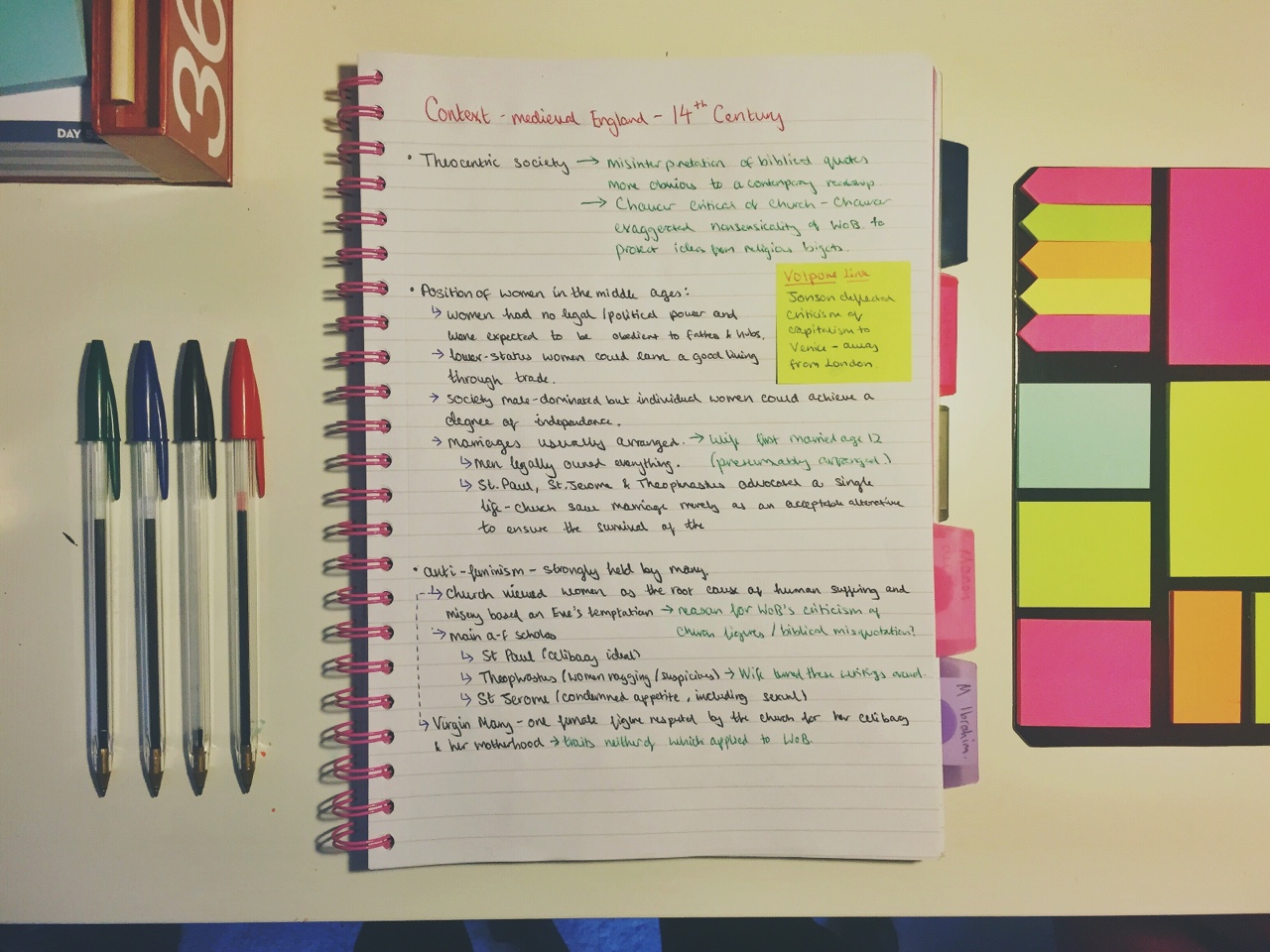
By taking notes on the text as the primary step, the student can make an inventory of the ideas from the text that he or she has mastery over, and can thus use class discussions and lectures for further clarification and focus on the points that are not fully grasped. If a student has taken notes as a first step, he or she will make sure to focus intently during discussion or lecture on the points that are not clear from the first round of processing that occurred during reading and note-taking. If, after the class discussion an idea or several are still unclear, then the student knows that he or she must ask for additional assistance from the teacher, parents, or a tutor.more-highlighted-notes

By taking notes early in the process, the student can identify exactly which points he or she understands completely and those which are unclear. It is perfectly acceptable for a successful student to not fully grasp every idea that is presented in a text and discussion. No reasonable teacher or adult expects a student to understand everything perfectly on his or her own. If a student does not have mastery at this stage, he or she needs to seek out additional help.

This is where successful students operate differently than their peers. By pinpointing exactly what they know and do not know, successful students can then acquire the specific help that they need for mastery. Further, the successful student identifies knowledge gaps at their first occurrence and does not wait until the day(s) leading up to the test to acquire help. Instead, the successful student seeks immediate clarification and assistance from teachers, parents, or tutors.

The successful student knows what he or she does not understand from early on in the learning process and thus can acquire the assistance needed for mastery. Top students are not always the most natively gifted. Top students achieve their results with honesty, preparation, and a willingness to ask for help when needed. The most successful students acquire support from teachers, parents, and tutors well before the deadline or test day.calendar-with-test-day

Let us contrast this kind of behavior with the typical pattern of most students. Most students do not read and take notes prior to the class discussion of the topics. Thus, they enter the classroom lacking familiarity with the ideas of that day’s discussion. The typical student will not have an inventory of those ideas which need further clarification and will not focus attention on such concepts. He or she will be too busy trying to write, listen, and think to be able to reasonably make sense of which ideas are primary and emphasized by the teacher. All concepts will be treated as equal in importance and notes will be incoherent and not useful for learning or test preparation.

The day before the test is too late to get proper help

Likely, he or she will not read the text until the days before the test and will have no way of knowing if he or she has properly mastered the ideas for the upcoming exam. It is only on the night before the test when such a student figures out which ideas and terms need further clarification, usually by working on a test review packet from the teacher. At that moment, it will be too late to get the help that is needed. This typical student will have little likelihood of achieving a grade on the exam that is equal to his or her native abilities, for their habits have put an artificial limit on the maximum grade they can acquire.frustrated-student-on-night-before-test

If you or your child wants to learn to be an efficient student and how to read for meaning, take useful notes, properly prepare for exams, and write academic essays, then please take a look at our Learning to Learn study skills and methods program for middle, high school, and college students.

Successful Students Series, Post #3: Bringing Notes to Class to be Edited and Highlighted

In our last post in our series on the skills and habits of successful students, we gave evidence for why reading and note-taking must be completed prior to the topic being discussed in class by teachers and classmates. Taking notes prior to class discussion jump starts the process of digesting and encoding information in the text for long-term storage and retrieval. Bringing one’s prepared notes to class discussion frees up the mind and attention so that the student may listen intently and process the information and also get clarification about topics that were not clear upon first review. Additionally, notes that are completed prior to class discussion can subsequently be edited and added to if new or different information is given by the teacher.

Highlight notes to indicate what is important and emphasized by the teacher

There is a second rationale for completing notes prior to class discussion which was not covered in the previous post. Notes that are prepared prior to class discussion can be highlighted to indicate the importance of the topics. Teachers will usually cover most of the ideas that will be on upcoming tests during class lectures and discussions. Successful students, possessing notes made prior to class lectures, can mark and highlight their notes to indicate those topics that have been reviewed by the teacher in class. These topics will very likely be on the test.teacher-pointing-at-board

Further, the most aware students pay close attention to the teacher’s cues and look for gestures and changes in voice pitch to understand the most essential ideas. These points, especially when the teacher emphasizes a point physically or with raised pitch or when the teacher says, “this is important!” will absolutely be covered on the test.

Students who mark in their notes those ideas reviewed by the teacher in class and those points especially emphasized, have a map as to which ideas to focus upon when preparing for the test. With notes that are ordered in terms of teacher emphasis and by their relation to the main ideas in the chapter, a student can avoid the unproductive cramming that most students utilize.

confident-studentThe typical student treats all ideas as equal in importance and wastes time and precious mind-space studying inessential details. He or she will spend hours re-reading and working to memorize key points and terms. By contrast, the successful student will calmly and efficiently review his or her notes in the day(s) prior and arrive on test day with confidence and ease. Real academic confidence comes from knowing that one has mastered every important piece of information to be encountered on the test.