Posts By: Hayden Shumsky

One District, Three Very Different Schools: A College Planning Guide For Families From Katy ISD’s Seven Lakes, Cinco Ranch, and Jordan High

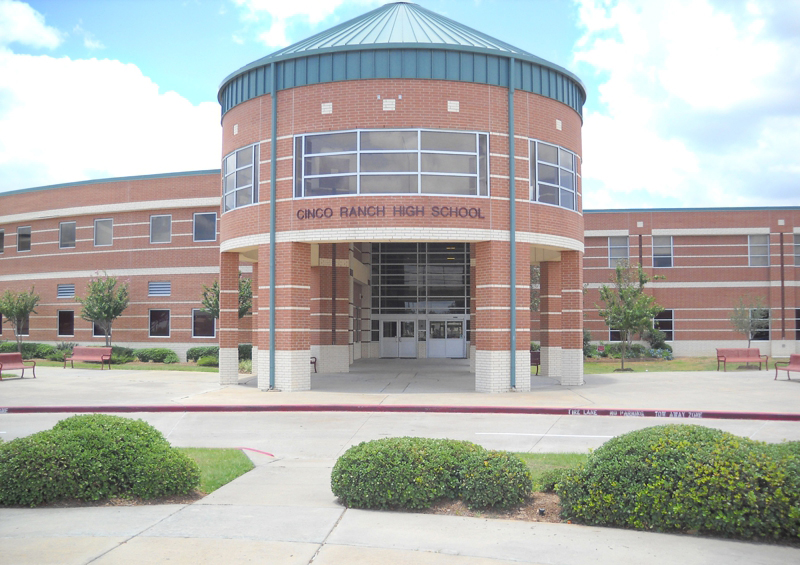
Cinco Ranch, Seven Lakes, Jordan High School Katy ISD

By Hayden Shumsky | The Shumsky Center for Academic and Career Performance | Houston, TX

A Zoned Address, Not a Choice

Katy ISD is one of the fastest-growing school districts in Texas and new schools are still opening. Keeping pace with the neighborhoods spreading west from Houston toward Fulshear is no easy task. Families move to Cinco Ranch, Seven Meadows, or the corridor around Fulshear Bend Drive for the high quality public schools and they’re often happy to have done so. But ‘the good schools’ isn’t one school. Depending on the exact address, a family’s student is zoned into Seven Lakes, Cinco Ranch, or Jordan High School, three of the top campuses in the same excellent district that function quite differently.

None of the three is a small, intimate campus. Each enrolls well over 3,000 students. Jordan, Cinco Ranch, and Seven Lakes carry a counselor-to-student ratio far above the 250:1 maximum recommended by the American School Counselor Association. Many families discover that Katy’s strong district reputation does not typically yield an individualized plan for their son or daughter. The numbers below tell some of the story:

The Numbers at a Glance

MetricSeven Lakes HSCinco Ranch HSJordan HS
Opened200519992020
Enrollment (approx.)3,750+3,7403,330
AP Courses Offered26–353518
Counselor : Student Ratio~1:480–525~1:480–486~1:666
MascotSpartansCougarsWarriors

Seven Lakes: Scale, Rigor, and the Risk of Blending In

Seven Lakes was, at the time it was built, among the largest high schools in the state of Texas. It has grown into one of the state and the region’s strongest academic performers. The school offers residents an A-rated campus with dozens of AP offerings and SAT and ACT averages that are significantly above state and national norms. For a motivated, well-supported student, Seven Lakes offers real depth: strong departments, competitive peers, and a track record that some top admissions offices recognize.

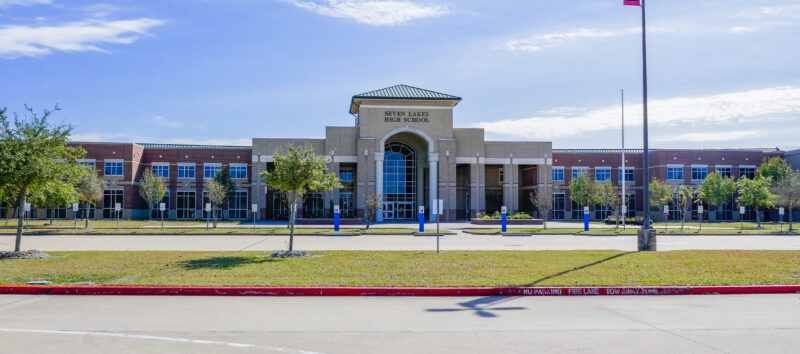
Seven Lakes HS
Seven Lakes High School, Katy ISD By RM VM – Own work, CC BY-SA 4.0, https://commons.wikimedia.org/w/index.php?curid=84597494

The flip side of that scale is exactly what you’d expect: a counselor caseload running above 450 students per counselor. Even an excellent Seven Lakes student can move through four years without anyone at school offering to help them build a deliberate academic plan and theme. The students who do best in this environment are those who treat the size as an obstacle to work around. The well-informed students, though they don’t receive much help, work on building a specific, coherent transcript and a resume of activities that serves a specific purpose, rather than assuming a strong GPA at a well-known school will make a difference.

Cinco Ranch: One Very Large Roof, a Wide Range of Realities

Cinco Ranch is one of Katy ISD’s original large comprehensive high schools and is now approaching its third decade. The AP catalog is as deep as any in the district and the counselor ratio in a similar range to Seven Lakes. What sets Cinco Ranch apart is the sheer range of family circumstances and college experience inside one building, a meaningfully broader mix of socio-economic backgrounds than some of its newer sibling campuses. A Cinco Ranch family’s starting point in the college process varies enormously from one household to the next.

That range is a genuine strength for a student who knows how to operate wisely. Cinco Ranch classrooms mix perspectives and experiences with a wider range than Katy’s more homogeneous campuses offer. The experience can produce a richer, more specific personal essay than the generic ‘high-achieving suburban student’ narrative admissions officers read by the thousands. But it also means a single advising approach will not fit every Cinco Ranch family. What a first-generation college family needs from a college-planning process is genuinely different than what a multi-generational one needs. Unfortunately, many Cinco Ranch students never get the custom guidance that serves their circumstances.

Jordan: A New School Still Writing Its Own Track Record

Jordan High School opened in 2020 and is still a young institution. The first graduating class to spend all four years on campus just recently matriculated from the school. The lack of tenure shows up in two numbers worth paying attention to: an AP catalog of about 18 courses, noticeably smaller than Seven Lakes’ or Cinco Ranch’s, and a counselor load of more than 650 students per counselor, the highest of the three.

Jordan High School KATY ISD
Source: Katy ISD

The numbers don’t necessarily lead to Jordan being a weaker school and the early results suggest the opposite. A young campus often has fresh energy and flexibility that older, more institutionalized schools don’t. Families must keep the following limitations in mind as they plan for their child. The lower count of AP options means that building a rigorous, well-sequenced course plan takes more intentional mapping across four years. Additionally, Jordan doesn’t yet have an admissions track record that helps college admissions offices calibrate a school’s grading and rigor. It is therefore more important for a Jordan student’s application to lay out their achievement clearly and specifically rather than relying on institutional reputation to do that work.

What All Three Actually Have in Common

Strip away the differences and the underlying challenge is the same at Seven Lakes, Cinco Ranch, and Jordan: each is a large, neighborhood-oriented high school in a fast-growing district. All possess an overwhelmed counseling staff built for triage rather than individualized, multi-year planning. KISD works diligently to overcome the scale problem, and by many measures, is doing an impressive job managing extraordinary growth. It’s simply a structural reality that families need to pay attention to as they plan for the future.

The families who do this well, regardless of which of the three schools their child attends, start early. They begin their planning in ninth or tenth grade and treat the school’s own resources as one input among several rather than the whole plan. They build a course sequence, a college list, and an essay strategy specific to their child’s specific profile, not a generic version shaped by whichever advice was available during a crowded advising period.

Frequently Asked Questions

How many AP courses does Cinco Ranch High School offer?

Cinco Ranch offers roughly 35 AP courses, one of the deeper AP catalogs among Katy ISD’s comprehensive high schools.

How many students attend Seven Lakes High School?

Seven Lakes enrolls more than 3,700 students in grades 9 through 12, making it one of the largest high schools in Katy ISD and among the larger comprehensive high schools in Texas.

Is Jordan High School a good school?

Jordan, which opened in 2020 as Katy ISD’s ninth comprehensive high school, has built a strong early reputation, though its AP catalog (about 18 courses) is still smaller than longer-established sibling campuses like Seven Lakes and Cinco Ranch as the school continues to grow.

Why would a Katy ISD family need an independent college counselor?

With counselor caseloads far above recommended levels at all three schools, an independent advisor provides the sustained, individualized time for building a college list, refining essays, and planning a multi-year academic strategy. A large public high school’s counseling office cannot offer the same depth for any single student.

We Work With Families Across the Katy ISD Footprint

The Shumsky Center advises families throughout the greater Houston area, including the Katy ISD corridor from Seven Lakes and Cinco Ranch out to Jordan and Fulshear, alongside families from independent schools and other public districts across the region. The specific campus matters less than the plan built around the individual student. Our work looks different depending on the student’s record, ambitions, talents, and interests, yet the goal is the same always: a college and career plan that is actually built around your child, not assembled from whatever generic advice was available.

If your son or daughter attends Seven Lakes, Cinco Ranch, or Jordan and you’re not sure whether your current plan fits your child’s needs and background, I’d welcome the conversation.

The Shumsky Center for Academic and Career Performance

4299 San Felipe, Suite 210 | Houston, Texas 77027

713.784.6610 | info@shumskycenter.com | shumskycenter.com

College Admissions Consulting | Career Advising | Learning & Attention Disorders | Residential Placement
What Gets Missed in College Planning at Memorial Senior High School

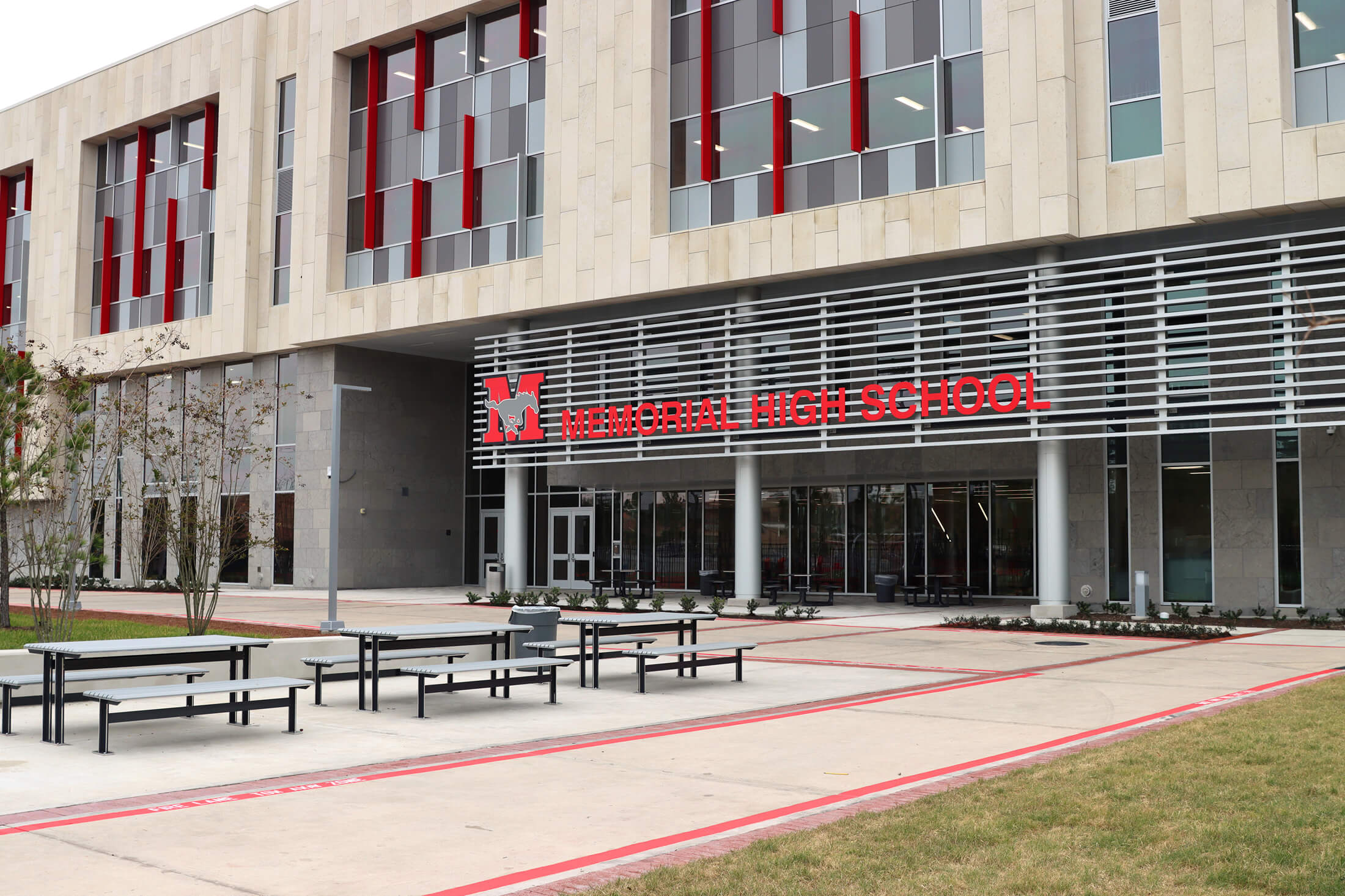
Memorial High School Houston Mustangs campus Spring Branch ISD

A Genuinely Strong School, and a Number Worth Pondering

Memorial Senior High School earns its stellar reputation with an ‘A’ state accountability rating, twenty-six AP courses, and a Gifted & Talented program serving hundreds of students. The school also offers the Project Lead The Way engineering and STEM sequence that most private schools can’t match. Spring Branch ISD has built something special at the corner of Echo Lane and Gaylord, and the Mustangs’ average SAT and ACT scores reflect it.

Here’s the number that matters more than any of those, though, and the one almost no family hears until they’re already living it: roughly four full-time counselors for a student body of about 2,640. That works out to more than 600 students for every counselor, a ratio that puts even an excellent, well-funded public school in an impossible position when it comes to individualized college guidance.

This isn’t criticism of Memorial’s counseling staff, who are, by every account, dedicated and capable people managing an enormous caseload. It’s a math problem. A counselor carrying 600-plus students cannot spend meaningful, consistent, individualized time helping any one of them figure out who they are, what they want, and how to build toward it. By contrast, I spend most of my time on exactly that when working with Memorial families at the Shumsky Center.

Twenty-Six AP Courses Is a Strength Until It’s a Maze

Memorial offers one of the more robust AP catalogs among Houston-area public schools. There is real course depth across the sciences, humanities, and languages. Each year, Memorial students take over a thousand AP exams.

Memorial offers 26 AP classes and a broad curriculum of choices

It’s also a lot of options to navigate without personalized guidance. In a school this size, course selection happens largely through a scheduling portal and a single advising conversation squeezed into a packed spring semester. Students often build a schedule based on what their friends are taking, what fits a lunch period, or what a rumor says is ‘the easy AP.’ They do not plan a deliberate, multi-year sequence built around their actual academic strengths and college goals. I regularly meet Memorial juniors who are excellent students yet possess a transcript that, on close inspection, doesn’t tell a coherent story about who they are or what they’re building toward. Nobody ever asked important questions about their goals and plans.

A Big, Diverse Campus Can Be Your Strongest Asset — If You Use It

Memorial’s student body is large and genuinely diverse with a broad mix of backgrounds, family college histories, and life experiences moving through one campus of roughly 2,640 students. Some Memorial families are navigating a multi-generational college legacy; others are sending their first child to college in the family’s history in this country. Both groups sit in the same classrooms.

Memorial Senior High School has a diverse student body and a total enrollment of about 2,600 students

That range is an asset in the college process, not a complication, but only if a student’s application actually reflects their specific position in it rather than a generic version of ‘hardworking Memorial student.’ A large, comprehensive public school gives a motivated student room to build a genuinely individual academic and extracurricular identity including independent academic research, a self-started initiative, real depth in one area rather than a scattershot list of clubs. Colleges read Memorial applications knowing the school’s size and range; a student who uses that size to stand out, rather than disappear into it, has a real advantage over a student at a smaller school where everyone looks similar on paper.

What the Independent Planning Conversation Actually Adds

Memorial’s counseling office has a team that handles scheduling, transcripts, recommendation logistics, and a genuine amount of one-on-one support within real constraints. Because of the scale, the counseling cannot include: the twelve, fifteen, twenty unhurried hours across two or three years that it takes to help one specific student figure out what they’re actually good at, what they care about, which colleges and majors genuinely fit them, and how to tell that story honestly and specifically in an application.

Families who start that conversation in ninth or tenth grade give their student a coherent, individually-built plan instead of a reactive scramble assembled from whatever advice was available in a rushed and abbreviated meeting.

Why would a Memorial family need an independent college counselor if the school has its own counseling office?

Memorial’s guidance and college counselors manage scheduling and support for hundreds of students each. An independent advisor works exclusively for one family, with the sustained individual time to build a college list, refine essays, and plan a multi-year academic strategy that is difficult for any single school counselor to provide.

We Have Advised Houston Families, Public and Private School Alike, Since 1987

The Shumsky Center has guided hundreds of Memorial Senior High School students to college and career success

The Shumsky Center has worked with students from Memorial and other Spring Branch ISD campuses alongside families from Houston independent schools across the city for nearly four decades. The work looks different depending on where a student starts. A student who does not receive custom guidance at school needs a different kind of support than one with a dedicated advisor down the hall, yet the underlying goal is the same: a plan built specifically around one student, not a generic template.

I have also worked with Memorial students facing real academic or personal challenges, helping them find colleges and programs suited to who they actually are rather than a plan generated from broad rules of thumb. If your son or daughter is a Mustang and the college process feels like something happening to your family rather than something you’re steering, I’d welcome the conversation.

The Shumsky Center for Academic and Career Performance

4299 San Felipe, Suite 210 | Houston, Texas 77027

713.784.6610 | info@shumskycenter.com | shumskycenter.com

College Admissions Consulting | Career Advising | Learning & Attention Disorders | Residential Placement

What St. John’s School Families Get Wrong About College Admissions

St. John's School Houston Upper School

The Assumption Every St. John’s Family Eventually Makes

St. John’s School is one of academically respected independent schools in the U.S. The Upper School’s challenging curriculum, small and engaging classes, and the advisor system that starts the day a student enters ninth grade make St. John’s a fantastic option for Houston’s top students and families. The school has a college counseling office that has spent years building relationships with admission staff across the country. Chapel, community, a thirteen-year continuity that most schools can’t offer, none of that is in question.

What I hear, repeatedly, when speaking with high school students and families at St. John’s is this:

The amazing school on Claremont Lane, built around intense academic rigor and personal attention, does not always yield a custom college plan built for one specific kid. The gap, between the aggregate ideal of a St. John’s student and the complexity of the real college-bound teenager in front of me, is where I spend most of my time when working with SJS families at the Shumsky Center.

St. John's School Houston Upper School classroom

St. John’s is a small school by design. Approximately 700 students are enrolled in the Upper School at any given time, many of whom have been in the same classrooms together since kindergarten. That continuity is a genuine strength; teachers and advisors usually know these kids for a decade or more.

Why a School Built Around Personal Attention Still Produces Blind Spots

But a school this size, where identity gets set early and reputations are solidified by seventh or eighth grade, creates its own trap. A student who was labeled ‘the science kid’ or ‘the artist’ in Middle School often keeps building a transcript that fits that label all the way through senior year. No one steps in to check whether it still reflects who they actually are at seventeen. Colleges are reading applications from a student who has had thirteen years to develop; they do not care one bit about the student’s experience in first grade. Families rarely stop to ask whether the version of their child that St. John’s has known is in fact the correct version today.

The Advisor System Is a Head Start, Not a Finish Line

St. John’s assigns academic advisors starting in ninth grade and adds dedicated college counselors in eleventh.  This is one of the real advantages of an SJS education, and a more structured system that starts earlier than at most other Houston private schools. Families sometimes assume the college planning work is handled perfectly and there is nothing more to do until the fall of senior year.

That assumption may not be backed by robust evidence. A St. John’s advisor is managing a full caseload across an entire grade, working within institutional relationships, processes, and boundaries that necessarily serve the whole school community, not any one family or student’s particular situation. They are good at what they do. They are also not positioned to spend dozens of hours helping one student figure out what they actually want to study, or to have the blunt, occasionally uncomfortable conversations that are sometimes necessary. The families who get the most out of St. John’s excellent college counseling are, in my experience, the same families who have done the deeper individual work on their own or with the support of an external professional.

Rigor For All Means College Admissions Departments Struggle to Differentiate Anyone

St. John’s has been named to the College Board’s AP School Honor Roll at the Platinum level and received the highest tier of recognition. This is only awarded to schools where a large share of students take AP exams and score well. That is a meaningful credential for the school. It is also, paradoxically, part of what makes individual differentiation more difficult for applicants from St. John’s.

When an admissions officer already expects outstanding AP performance from every SJS transcript that crosses their desk, top AP performance from a St. John’s applicant is no longer memorable. Such performance is now the expected price for consideration, not the differentiator. I see St. John’s students pour enormous energy into AP course selection and grade protection, treating the GPA as the most valuable product, when the more useful question is what that rigor was actually in service of. Academic performance matters much, yet it is not necessarily the performance, but what it reveals about how the student thinks, what they’re curious about, where they go when nobody is grading them.

A College List Built on Rankings Instead of Your Child

The mistake of relying on college rankings

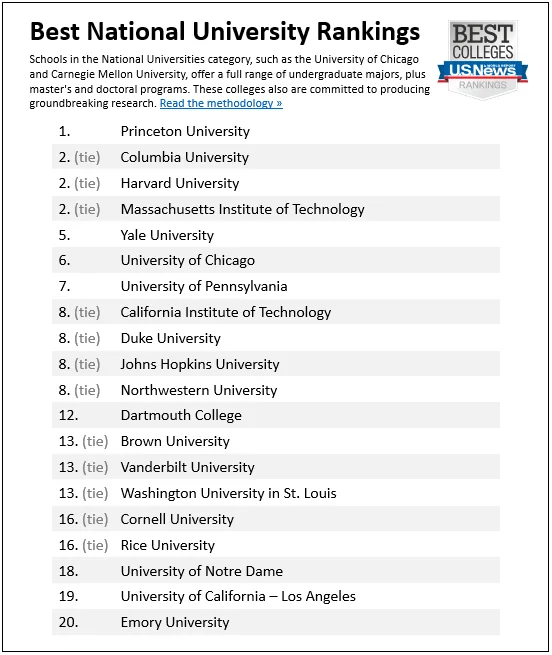
This same assumption, that a strong school produces a strong plan automatically, shows up most clearly in how St. John’s families build their college lists. I regularly see lists anchored entirely to U.S. News rankings, chosen to be at least as impressive as whatever the family down the street is targeting. The list becomes a scoreboard rather than well-thought-out strategy composed of the best fit schools.

I also see the opposite error: families who assume a Texas flagship is the safe, sensible default and never seriously research the dozens of excellent universities, Lehigh, Tufts, Case Western Reserve, University of Rochester, and many others, where a student with a specific academic interest might actually thrive. At these and dozens of others, the St. John’s student may further prosper because of the smaller classrooms with more faculty access than a 40,000+ undergraduate student public university may offer.

The correct approach begins with the student’s traits. A well-built list starts with a rigorous, honest inventory of who your child is, intellectually, socially, financially, emotionally, and works outward from there to the handful of schools that actually fit. It is slower and less satisfying than sorting by rank, and it produces dramatically better outcomes.

Faith, Virtue, and the Essay Colleges Have Already Read a Thousand Times

St. John’s builds its mission around developing the ‘whole person;’ service and character development are an essential element of an SJS education. It also means that several very specific essays show up in my office with predictable regularity: the service to the needy essay, the essay about the silver lining in the championship loss, or the bad grade that inspired my turnaround essay that reads like it could have been written by any high-achieving student at any private school in the country.

shumskycenter.com college application essay experts

None of those experiences are the problem. The problem is writing about them the way everyone else does. Admissions officers who read applications from SJS and every other rigorous private school in the country have seen the generic essays cross their desks many times over. The student who writes with real specificity and self-knowledge about a small, honest, even unglamorous moment, and not the polished version of themselves, but the unspectacular one, is the student who is remembered. Finding that essay takes real work, and it rarely comes with the first draft, or without someone pushing back on the safe version.

What Actually Changes Outcomes for St. John’s Families

The families I work with who navigate this well don’t do anything mysterious. They start in ninth or tenth grade, while there is still time to make real choices rather than damage-control ones. They stop treating rankings and neighborhood comparisons as inputs to the college list. They ask their child hard, specific questions about what they actually love and find meaning and satisfaction in, not the choice that they think will sound good in an interview. And they bring in expert independent guidance that works only for their family, a professional with the time, distance, and freedom from institutional constraints that no school-based advisor, however skilled, can offer, given their full caseload.

Frequently Asked Questions from St. John’s Families

Why would we hire an independent college counselor if our child already attends St. John’s?

St. John’s college counseling serves the whole grade and operates within the school’s institutional relationships and processes. An independent advisor works exclusively for your family, with more individual time and no institutional constraints, a valuable complement to the school’s program, not a competitor.

When should St. John’s families start college planning?

Ninth or tenth grade, while there is still time to shape course selection, build genuine extracurricular depth, and do the self-assessment work that a strong application depends on, well before the college list and essays become urgent in eleventh grade.

Does a high SAT or ACT score matter less for St. John’s applicants specifically?

St. John’s students post SAT scores well above national norms, which is exactly why a high score reads as a threshold rather than a differentiator at selective colleges. The high score gets an SJS application into consideration, but essays, extracurricular depth, and academic focus are what separate one strong applicant from another.

We Have Advised Houston Families, Including Many at St. John’s, Since 1987

The Shumsky Center has worked with St. John’s students alongside families from Strake Jesuit, The Awty International School, Second Baptist, Episcopal High School, The Kinkaid School and other Houston independent schools for nearly four decades. Some students arrive certain of their plan and discover, in the course of honest conversation, that the plan was built on assumptions nobody had tested. We help build the version that is authentic to the student.

I have also worked with St. John’s students navigating real academic or personal struggle, helping them find colleges and programs where they can succeed on their own terms. There is no single model of success I am trying to fit a student into, only a careful, honest process of figuring out what success looks like for them specifically.

If your son or daughter is a St. John’s School student and the college process is starting to feel more like a checklist than a plan, I would welcome the conversation.

The Shumsky Center for Academic and Career Performance

4299 San Felipe, Suite 210 | Houston, Texas 77027

713.784.6610 | info@shumskycenter.com | shumskycenter.com

College Admissions Consulting | Career Advising | Learning & Attention Disorders | Residential Placement
The Kinkaid Student’s Hidden College Planning Crisis: What Houston’s Most Competitive Families Get Wrong

By Hayden Shumsky | The Shumsky Center for Academic and Career Performance | Houston, TX

You have done everything right. Your son or daughter attends The Kinkaid School — one of the finest independent schools in the country. The facilities are extraordinary, the teachers accomplished, the peers bright and motivated. Your child takes AP courses, plays a varsity sport, rehearses for the school play, and volunteers on weekends. The college counseling office at Kinkaid is well-regarded.

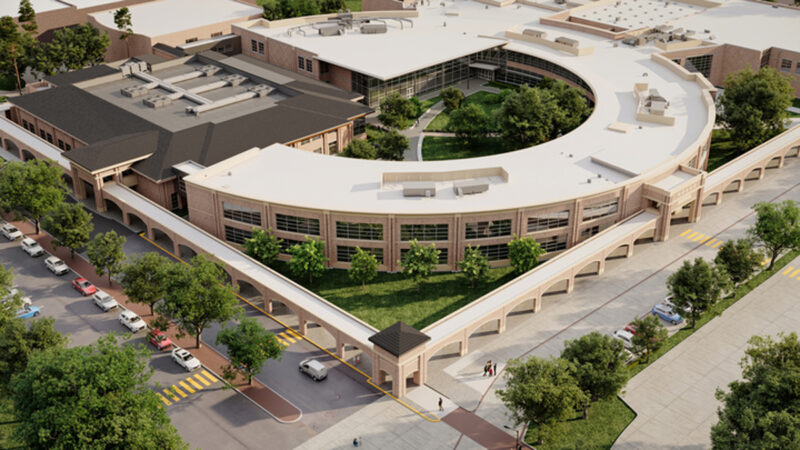
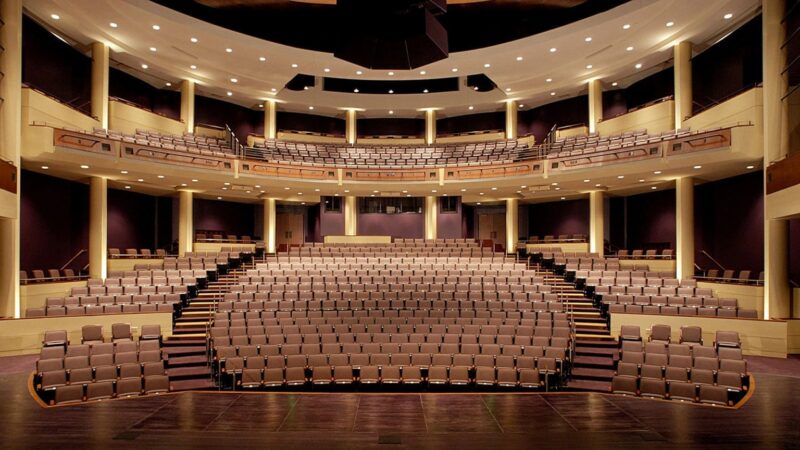
Kinkaid Upper School, Houston, Texas. Rendering from allin.kinkaid.org

So why are so many Kinkaid families sitting across from me here at the Shumsky Center — anxious, confused, and in some cases deeply worried — in the months and years before their child’s college application is due?

Because attending a great school is not the same thing as having a great plan. And in today’s hyper-competitive college admissions climate, the difference between those two things can determine the shape of a young person’s life.

The Particular Pressures on Kinkaid Families

Kinkaid is not just any private school. It is a school where everyone expects to attend a top college, where AP coursework is the rule rather than the exception, and where the peer culture — for all its warmth and spirit — is relentlessly competitive. The invisible and ruthless competition — for class rank, for AP scores, for a spot in the most selective college freshman classes — runs 365 days a year.

This environment creates a specific and painful set of pressures. We see them play out in our offices regularly. Here are the ones that matter most.

1. The Paradox of Privilege: Too Many Options, Too Little Direction

Kinkaid students have access to extraordinary resources: robust AP and honors course offerings, a college counseling team, awesome internship connections with the Houston business community, and peers who push them academically. These are the valuable attributes that lead parents and students to choose Kinkaid in the first place.

Kinkaid School, Houston, Texas, Katz Arts Center

But access to opportunity is not the same as clarity of direction. In our experience, Kinkaid students — especially those in 9th and 10th grade — are often deeply uncertain about who they are as learners, human beings, and what they actually want from their high school and college years. They have been high achievers for so long that the question of what genuinely interests them, apart from what earns the best grade or impresses the most adults, is not necessarily asked of them. Frequently, I meet students who are excellent at school but lack the self-knowledge and coherent story that top college admission committees are looking for.

The painful truth: a student with a 4.2 GPA, three AP courses, and four disjointed extracurricular activities is not more compelling than a student with a 3.8 GPA and one or several deeply-pursued passions or curiosities. College admissions officers at selective schools are not particularly impressed by well-rounded students from top private high schools. Increasingly, they are looking for genuine intellectual identity. Kinkaid students, because they have access to so many activities and opportunities, often inadvertently do a great deal and reveal next to nothing as far as admissions staff are concerned.

2. The College List Problem: Playing It Safe in All the Wrong Ways

I see college lists from Kinkaid students that are mis-aligned in two predictable, yet equally problematic ways.

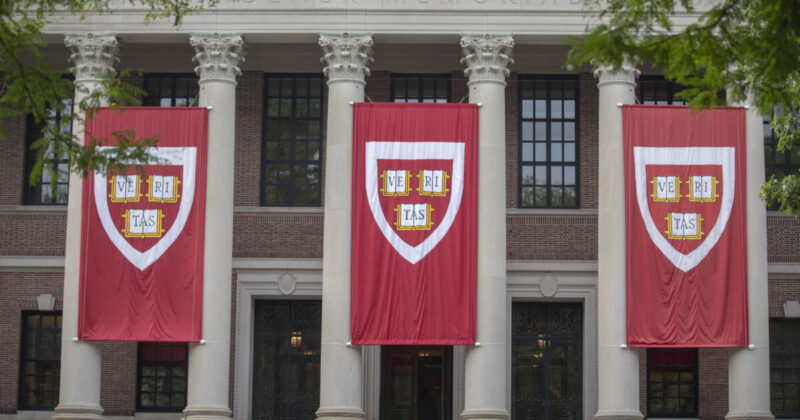
Harvard Veritas, Harvard University, Cambridge, Massachusetts
Kris Snibbe/Harvard Staff Photographer

The first error: anchoring the entire list around U.S. News & World Report rankings. The family targets the top 20 schools regardless of fit, actual academic quality in their prospective major, or the student’s social, academic, and personal profile. The list is built on prestige, not on a rigorous analysis of curriculum, student culture, class size, or career outcomes. Some of these students find themselves devastated in March and April when reach schools say no and safety schools feel like failures. No one ever asked whether the target and safety schools were actually good fits for the student in the first place.

The second error: deciding too early that a student is a ‘Texas school kid’ and failing to seriously research the full national landscape of excellent universities. Excellent schools like Tulane, Wake Forest, University of Rochester, Case Western Reserve, and dozens of others offer outstanding education in specific fields that may be far better suited to your child’s academic and personal profile than a flagship state university where your son or daughter will be one of 50,000 students.

The right college list is not long or short, reach-heavy or safety-heavy. It is customized — built on a thorough understanding of who your student is, their skills, weaknesses, and ambitions, what they need to succeed, and what specific colleges actually offer to fulfill their needs.

3. The GPA Arms Race: What Kinkaid’s Rigor Does and Doesn’t Do for You

Kinkaid’s academic program is genuinely rigorous. Students work hard and grades are not inflated with winks and handshakes. An A grade in an AP or Honors course at Kinkaid represents real achievement.

And yet: selective colleges do not simply rank students by GPA. They evaluate a student’s transcript in the context of their school’s grading practices, course availability, and academic culture. A 3.7 GPA at Kinkaid may be more impressive than a 4.0 at many other schools, -though not every admissions department knows the details of Kinkaid’s rigorous curriculum- but only if the student’s application clearly conveys the intellectual engagement behind the grades.

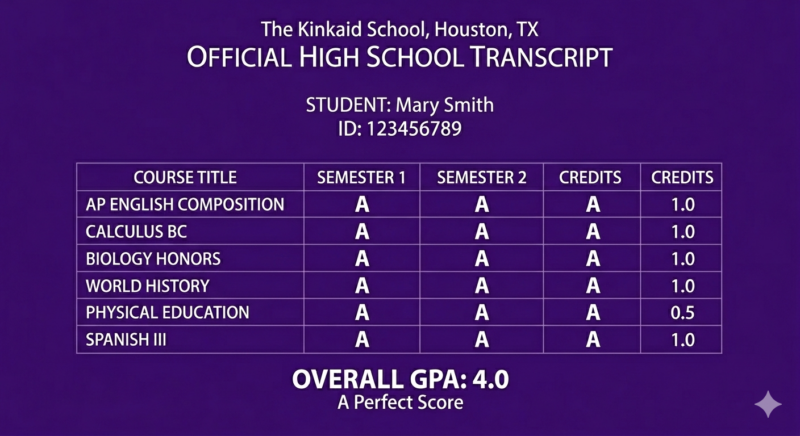
Kinkaid School, Perfect Student, 4.0GPA on high school transcript, Houston, Texas

I see a tendency among Kinkaid students, like their peers at other top schools, to over-invest in GPA management. They sometimes drop a challenging course to protect a class rank, choose the ‘safer’ AP over the one they are genuinely curious about, or spend the summer on test prep rather than a substantive experience that would have made for a compelling essay. These choices feel rational in the moment yet cost the student dearly in the long run.

4. The Test Score Trap

Kinkaid students typically obtain outstanding test scores. The school’s average SAT and ACT scores are significantly above national norms. This is good news. There is however, a hidden downside: families overestimate the value of a very high test score and underestimate everything else.

A score of 1540 on the SAT does not make up for an unfocused extracurricular profile. A 35 ACT does not compensate for essays that are generic, safe, and ultimately forgettable. And in a testing landscape where a growing number of selective schools have moved to test-optional or test-flexible policies, the assumption that your child’s score is their primary competitive advantage is an increasingly dangerous one.

Test scores are most often a threshold, not a differentiator. Once you are in the ballpark for a given school, the score matters less than virtually everything else on the application.

5. The Essay: Where Kinkaid Students Most Consistently Fall Short

Kinkaid School teaches their students to be excellent writers. Students are trained to construct arguments, analyze texts, and write with clarity and precision. These are real skills.

But the college essay is not a school assignment, and strong academic writing is not the same thing as a strong personal essay. The college essay requires a student to reveal something authentic and specific about who they are — not as a student, but as a human being. It requires vulnerability, specificity, and a willingness to be genuinely personal in a way that most high-achieving students have never been asked to do. While some of my Kinkaid clients produce fantastic application essays without prompting from me, most of the time, they do not have a clue about how to write the kind of detailed, honest, and personal essays expected by top colleges.

College Essay, Kinkaid School, Houston, Texas

The Kinkaid applicant who writes about the lessons learned from their team’s championship loss, their passion for community service, or ‘how my family taught me to persevere’ is writing an essay that reads like ten thousand other essays from ten thousand other high-achieving students at private schools across the country. Admissions officers at Harvard, Duke, and Vanderbilt have read that essay. It does not work.

The student who writes with precision and genuine self-knowledge about a specific, even ordinary moment that reveals an unexpected dimension of their character — that student stands out. Finding that essay requires work, time, and honest self-examination. It rarely happens without guidance.

6. The Career and Major Confusion: What Am I Actually Going to Do?

The Kinkaid community and administration have invested heavily in modernizing the school’s curriculum, facilities, and academic offerings. Their programs and resources are among the best one can find in the United States. The school provides genuine exposure to a wide range of disciplines and incredible opportunities for exploration and growth. And yet: when a tenth or eleventh grader from Kinkaid sits down with me for the first time, and I ask what they want to study and what kind of life they want to build, the answer is almost always some version of ‘I don’t know.’

This is not a failure of the student. I would even go so far as to say it is not for a shortage of chances to learn from the awesome people at Kinkaid. It is a failure of the planning process.

Choosing a major and a prospective career path is not simply a question of what a student is good at or what their parents do for a living. It requires a serious investigation of the student’s intellectual curiosities, their working style, their tolerance for stress and ambiguity, their financial goals, and their vision of a meaningful life. It requires understanding what specific academic departments at specific colleges actually offer — not just the name of the major, but the courses, the professors, the research opportunities, and the career pipelines.

Pre-Med Majors, Kinkaid School, Houston, Texas

A Kinkaid student who declares ‘pre-med’ because it is the family expectation and then discovers in the second semester of organic chemistry that they hate laboratory work has not been well-served by anyone in their planning process. A student who chooses economics because ‘it leads to good jobs’ and then spends four years doing something they find meaningless suffers from the same disease. These outcomes are preventable, but they require honest, early, and sustained advising.

What Kinkaid Families Must Do Differently

The families who navigate this process successfully — whose children end up at schools that are genuinely right for them and then thrive once they get there — share a few things in common.

They start early. Not in November of junior year, but in ninth or tenth grade, when there is plenty of time to make meaningful course choices, develop genuine extracurricular depth, and begin the process of self-examination that good college planning requires.

These families throw out the rankings. Not because rankings are always useless, but because a ranking tells you nothing about whether a particular college is right for your particular child. The only way to know that is to do the work: research academic departments, read syllabi, talk to current students, and evaluate specific programs against a thorough understanding of the student and what they need.

They also invest in honest self-assessment. Not the kind that produces a polished personal brand, but the kind that asks hard questions. What does my child genuinely love? What are their real weaknesses — not the ‘I work too hard’ weakness they will give an interviewer, but the actual academic and personal challenges they face? What kind of social environment will help them flourish? What do they need to feel supported? These questions matter more than any single metric on a college application.

And they get independent guidance. Not because the Kinkaid college counseling office is inadequate — it is not — but because independent advisors work exclusively for the student and family, with unlimited time and without the institutional constraints that any school counselor must operate within. A great independent advisor helps your child understand those things that could be uncomfortable to hear, makes a plan that is genuinely customized to your child, and stays with you through every step of a process that is complex and more consequential than most families realize.

We Have Been Doing This Work in Houston Since 1987

The Shumsky Center has guided Kinkaid families — and students from St. John’s, Strake Jesuit, The Awty International School, Second Baptist, Episcopal High School, and many other Houston private schools — through the college planning process for nearly four decades. Many of those students thought that they had everything figured out and discovered, through careful conversation with a trusted advisor, that their original plans were full of fantasy, hearsay, and naive assumptions. Together, we transformed their direction and built a plan that was informed and truly authentic.

I have also worked with Kinkaid students who were struggling — academically, emotionally, or both — and helped them find colleges and programs where they could succeed on their own terms. I do not believe in a single model of success. I believe in honest and compassionate assessment, careful planning, and advising that includes the full complexity of a student’s life.

If your son or daughter is at Kinkaid and you are beginning to feel the pressure of the college planning process — or if you have been feeling it for a while and are not sure whether your current plan is working — I would welcome the conversation.

The Shumsky Center for Academic and Career Performance

4299 San Felipe, Suite 210  |  Houston, Texas 77027

713.784.6610  |  info@shumskycenter.com  |  shumskycenter.com

College Admissions Consulting  |  Career Advising  |  Learning & Attention Disorders  |  Residential Placement
Important Information Update: A Searchable Database of 100 Top Public Research Universities and Their Fall 2020 Coronavirus (Covid-19) Plans

Coronavirus (Covid-19) has impacted university's plans and teaching methods for Fall 2020.

Davidson College and The Washington Post have created a database with updated information on top public universities and their teaching method and plans for accommodating Covid-19 during the Fall 2020 semester. Information includes start date and the university’s Fall 2020 teaching method (in-person, online, hybrid) .

SchoolStateTeaching methodFall start
Auburn U.Ala.HybridAug. 17
U. of AlabamaAla.Primarily in personAug. 19
U. of Alaska at AnchorageAlaskaPrimarily onlineAug. 24
U. of Alaska at FairbanksAlaskaHybridAug. 24
Arizona State U. at TempeAriz.HybridAug. 20
U. of ArizonaAriz.Primarily onlineAug. 24
Arkansas State U.Ark.Primarily in personAug. 25
U. of ArkansasArk.Primarily onlineAug. 24
U. of California at BerkeleyCalif.Primarily onlineAug. 26
UCLACalif.Primarily onlineSept. 28
U. of Colorado at BoulderColo.Primarily onlineAug. 24
Colorado School of MinesColo.Primarily in personAug. 24
Central Connecticut State U.Conn.Primarily onlineAug. 26
U. of ConnecticutConn.Primarily onlineAug. 31
Delaware State U.Del.HybridAug. 25
U. of DelawareDel.Primarily onlineSept. 1
U. of the District of ColumbiaD.C.Primarily onlineSept. 8
Florida State U.Fla.HybridAug. 24
U. of FloridaFla.Primarily onlineAug. 31
Georgia Inst. of TechnologyGa.Primarily in personAug. 17
U. of GeorgiaGa.Primarily in personAug. 20
U. of Hawaii at HiloHawaiiPrimarily onlineAug. 24
U. of Hawaii at ManoaHawaiiPrimarily onlineAug. 24
Idaho State U.IdahoPrimarily in personAug. 17
U. of IdahoIdahoPrimarily in personAug. 31
U. of Illinois at ChicagoIll.Primarily onlineAug. 26
U. of Illinois at Urbana-ChampaignIll.HybridAug. 24
Indiana University at BloomingtonInd.Primarily onlineAug. 24
Purdue U.Ind.Primarily in personAug. 24
Iowa State U.IowaPrimarily in personAug. 17
U. of IowaIowaPrimarily in personAug. 24
Kansas State U.Kan.Primarily in personAug. 17
U. of KansasKan.Primarily in personAug. 24
U. of KentuckyKy.Primarily onlineAug. 17
U. of LouisvilleKy.Primarily onlineAug. 17
Louisiana State U.La.Primarily onlineAug. 24
Louisiana Tech U.La.Primarily in personAug. 31
U. of Maine at FarmingtonMaineHybridAug. 31
U. of Maine at OronoMaineTo be determinedAug. 31
U. of Maryland Baltimore CountyMd.Primarily onlineAug. 27
U. of Maryland at College ParkMd.Primarily onlineAug. 31
U. of Massachusetts at AmherstMass.Primarily onlineAug. 24
U. of Massachusetts at LowellMass.Primarily onlineSept. 1
Michigan State U.Mich.Fully onlineSept. 2
U. of Michigan at Ann ArborMich.HybridAug. 31
U. of Minnesota at DuluthMinn.HybridAug. 31
U. of Minnesota at Twin CitiesMinn.HybridAug. 31
Mississippi State U.Miss.HybridAug. 17
U. of MississippiMiss.HybridAug. 24
Missouri U. of Science and Tech.Mo.Primarily in personAug. 24
U. of MissouriMo.Primarily onlineAug. 24
Montana State U.Mont.Primarily onlineAug. 17
U. of MontanaMont.Primarily onlineAug. 19
U. of Nebraska at LincolnNeb.Primarily in personAug. 17
U. of Nebraska at OmahaNeb.Primarily in personAug. 24
U. of Nevada at Las VegasNev.Primarily onlineAug. 24
U. of Nevada at RenoNev.Primarily in personAug. 24
Plymouth State U.N.H.HybridAug. 24
U. of New HampshireN.H.Primarily onlineAug. 31
Rutgers U. at New BrunswickN.J.Primarily onlineSept. 1
Rutgers U. at NewarkN.J.Primarily onlineSept. 3
New Mexico State U.N.M.HybridAug. 19
U. of New MexicoN.M.HybridAug. 17
Stony Brook U.N.Y.Primarily onlineAug. 24
U. at BuffaloN.Y.HybridAug. 31
North Carolina State U.N.C.Fully onlineAug. 10
U. of North Carolina at Chapel HillN.C.Fully onlineAug. 10
North Dakota State U.N.D.HybridAug. 24
U. of North DakotaN.D.To be determinedAug. 24
Miami U. of OhioOhioPrimarily onlineAug. 17
Ohio State U.OhioHybridAug. 25
Oklahoma State U.Okla.Primarily in personAug. 17
U. of OklahomaOkla.Primarily in personAug. 24
Oregon State U.Ore.Primarily onlineSept. 23
U. of OregonOre.Primarily onlineSept. 29
Pennsylvania State U.Pa.HybridAug. 24
U. of PittsburghPa.Primarily onlineAug. 19
Rhode Island CollegeR.I.Primarily onlineAug. 31
U. of Rhode IslandR.I.Primarily in personSept. 9
Clemson U.S.C.Primarily onlineAug. 19
U. of South CarolinaS.C.Primarily in personAug. 20
South Dakota State U.S.D.HybridAug. 19
U. of South DakotaS.D.Primarily in personAug. 19
U. of MemphisTenn.Primarily in personAug. 17
U. of TennesseeTenn.HybridAug. 19
Texas A&M U.Tex.Primarily in personAug. 19
U. of Texas at AustinTex.Primarily onlineAug. 26
U. of UtahUtahPrimarily onlineAug. 24
Utah State U.UtahHybridAug. 31
Castleton U.Vt.Fully onlineAug. 18
U. of VermontVt.Primarily in personAug. 31
College of William & MaryVa.Primarily onlineAug. 19
U. of VirginiaVa.Primarily onlineAug. 25
U. of WashingtonWash.Primarily onlineSept. 30
Washington State U.Wash.Primarily onlineAug. 24
Marshall U.W.Va.Primarily in personAug. 24
West Virginia U.W.Va.Primarily onlineAug. 26
U. of Wisconsin at MadisonWis.Primarily onlineSept. 2
U. of Wisconsin at MilwaukeeWis.HybridSept. 2
U. of WyomingWyo.Primarily onlineAug. 24

Critical Updates From Colleges Re: Plans for Fall 2020

Many universities are checking in to give guidance to students and families regarding plans for on-campus instruction in the fall of 2020. Because of the Covid-19 Coronavirus outbreak, nearly all American colleges and universities are currently delivering academics via virtual classes. Almost 99% of current American college students have returned to their homes and college campuses are mostly empty.

Of those who have reported, the majority have indicated that they are committed to delivering on-campus face-to-face instruction in the fall or have not yet committed, but are planning to do so. Top-choice universities like Harvard, the Claremont Colleges, Haveford, and the University of Illinois at Urbana-Champaign have announced that they are committed to holding classes in person this fall. Among Texas colleges and universities, no commitments have been communicated as of yet (April 28, 2020). The University of Texas at Austin is expecting to announce fall 2020 plans at the end of June.

Be sure to watch this page for more updates as decisions are made. For selected universities, current status is available here.

A Contrarian View on Studying Computer Science or Programming from Gary Vaynerchuck

Do you think that a computer science degree is a ticket to future financial and career security? You might want to watch the video below from @garyvee to hear some reasons why your thinking may be incorrect. This video contains salty language, you have been forewarned.

Gary explains that the high level of historical financial returns for computer science majors flows from the shortage of capable computer programmers in a past era. Now that record numbers of students are majoring in computer science worldwide, the financial returns to computer science will drop. The scarcity is gone and the supply of computer scientists and programmers is greater than the demand. Looking forward, Gary suggests that unless your focus is on a cutting edge area of technology with room for exponential growth, like 3D or virtual reality, today’s computer science students will be disappointed by their salaries in the long-term. Gary believes that programming and computer science skills have been commodified and will drop in value going forward.

Do we at Shumsky Center agree? I think Gary brings a perspective that is absent from the minds of many parents and students. There are very few golden tickets that guarantee financial success and career stability. For the last several decades, computer science majors have earned very good salaries in the U.S. For example, estimates from Michigan State University’s Collegiate Employment Research Institute survey of the college class of 2017 show computer science majors with an average starting salary of around $58,000. Top earning graduates with computer science degrees from the college class of 2017 earned as much as $130,000. The National Association of Colleges and Employers’ (NACE) Winter 2017 Salary Survey showed even better results for recent computer science graduates. NACE’s survey showed recent college graduates with computer science degrees earn an average starting salary of $65,500. Looking forward, there is reason to expect the financial return to drop as the field is flooded by new entrants. What are your thoughts?